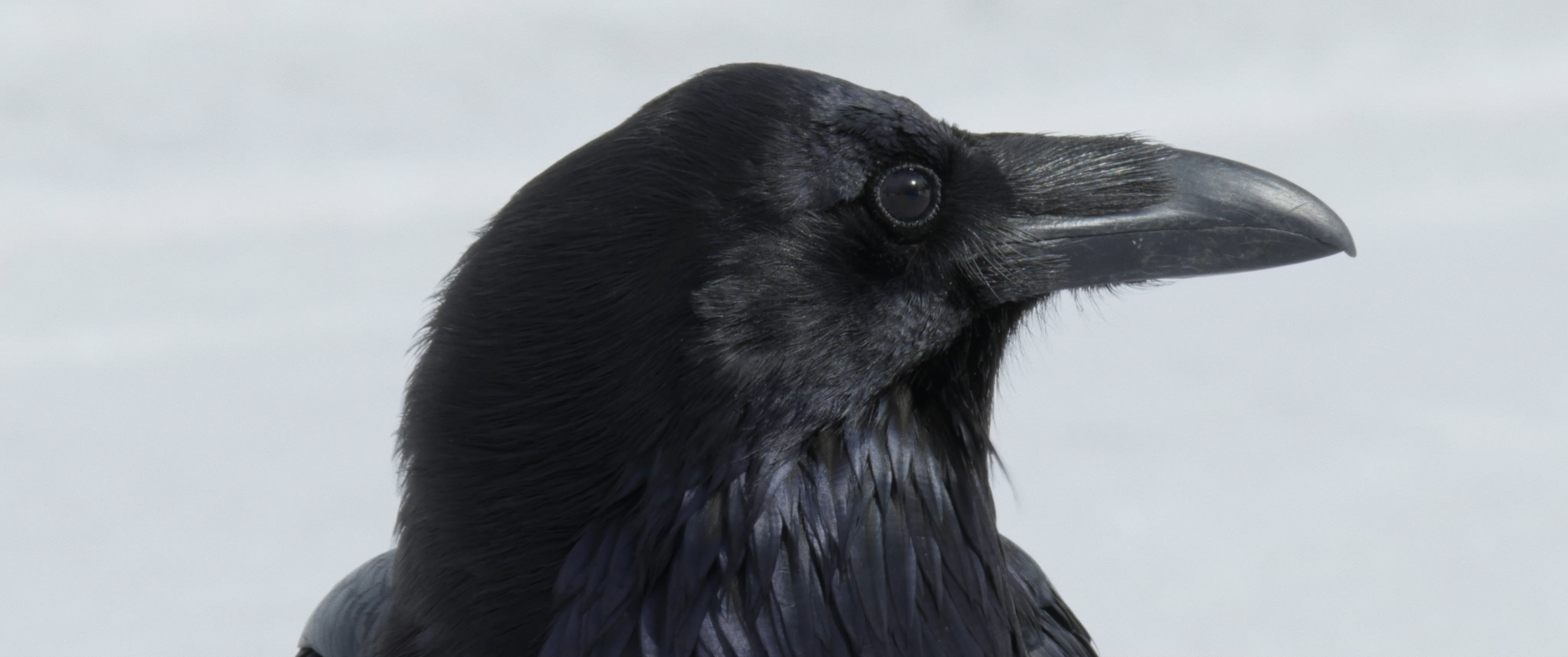
Ein Kolkrabe (Corvus corax) im Yellowstone-Nationalpark, USA. Filmstill aus „KRÄHEN - Nature Is Watching Us“.
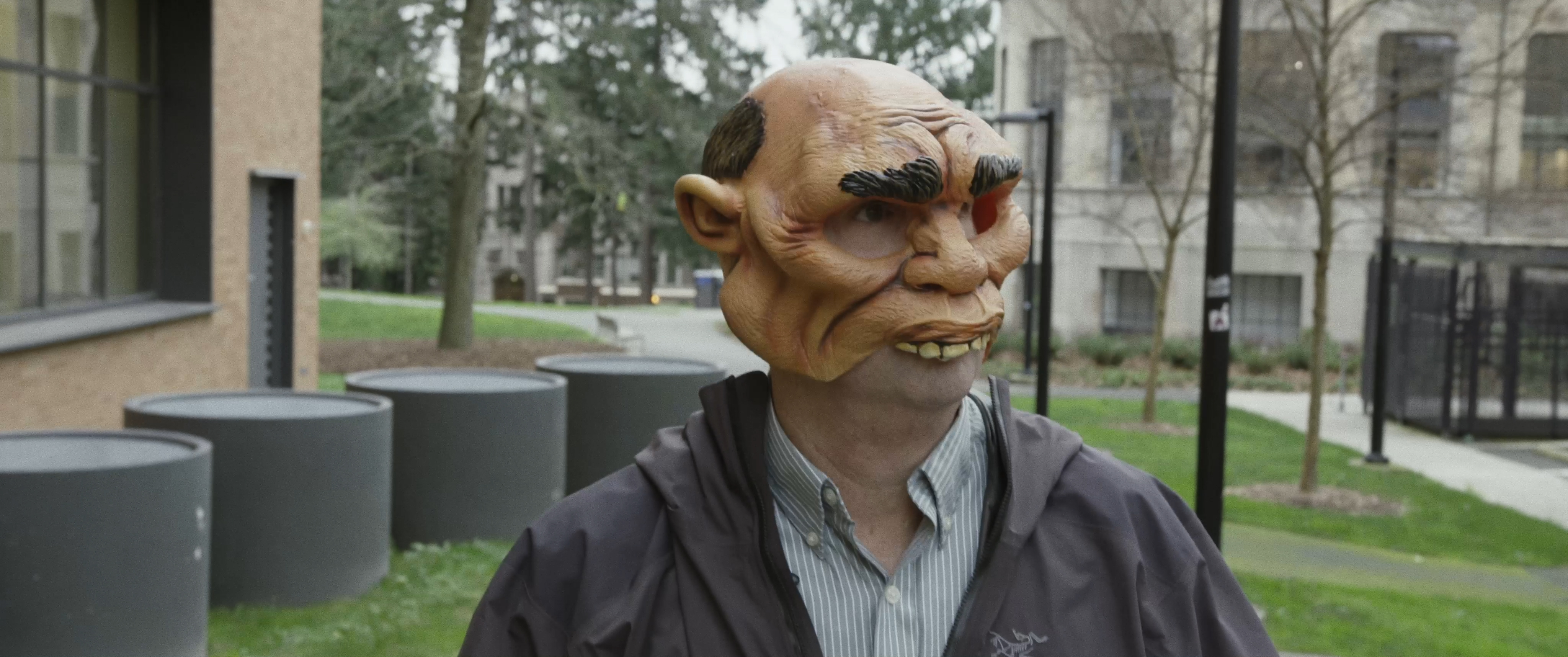
Nachforschungen des Ornithologen John Marzluff bewiesen, dass sich Krähen die Gesichter der Menschen merken und diese wiedererkennen können. Filmstill aus „KRÄHEN - Nature Is Watching Us“.
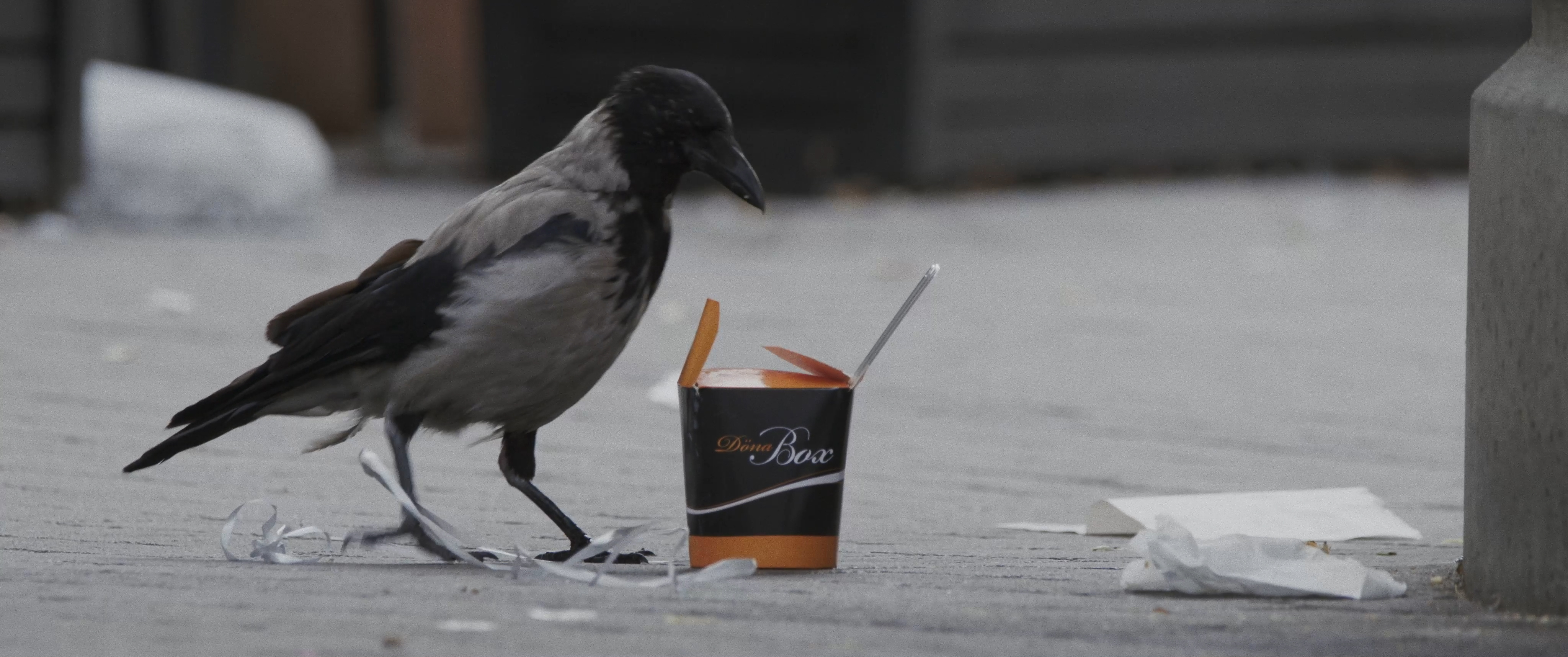
Eine Nebelkrähe (Corvus corone cornix) frisst aus einer weggeworfenen Döner-Box. Filmstill aus „KRÄHEN - Nature Is Watching Us“.
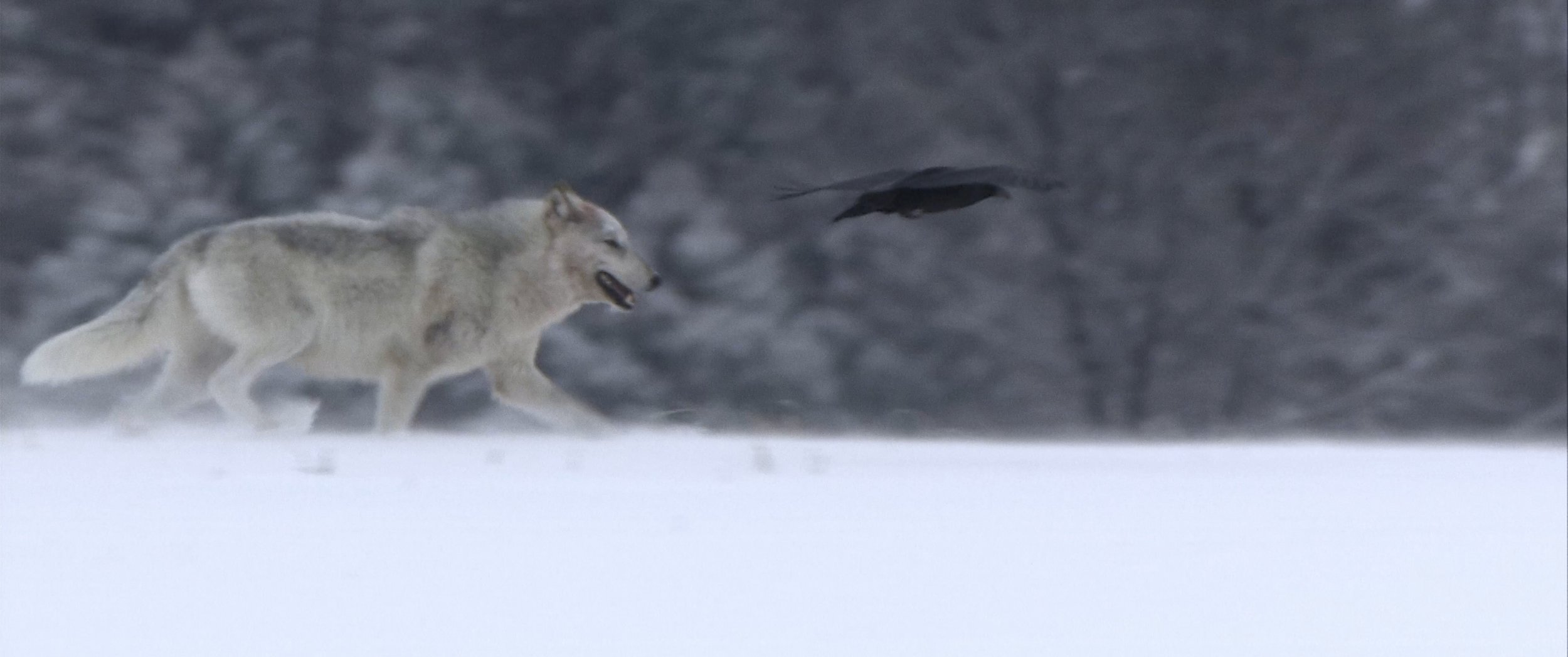
Ein Wolf im Yellowstone National Park (USA) folgt einem Raben. Filmstill aus "KRÄHEN - Nature Is Watching Us"
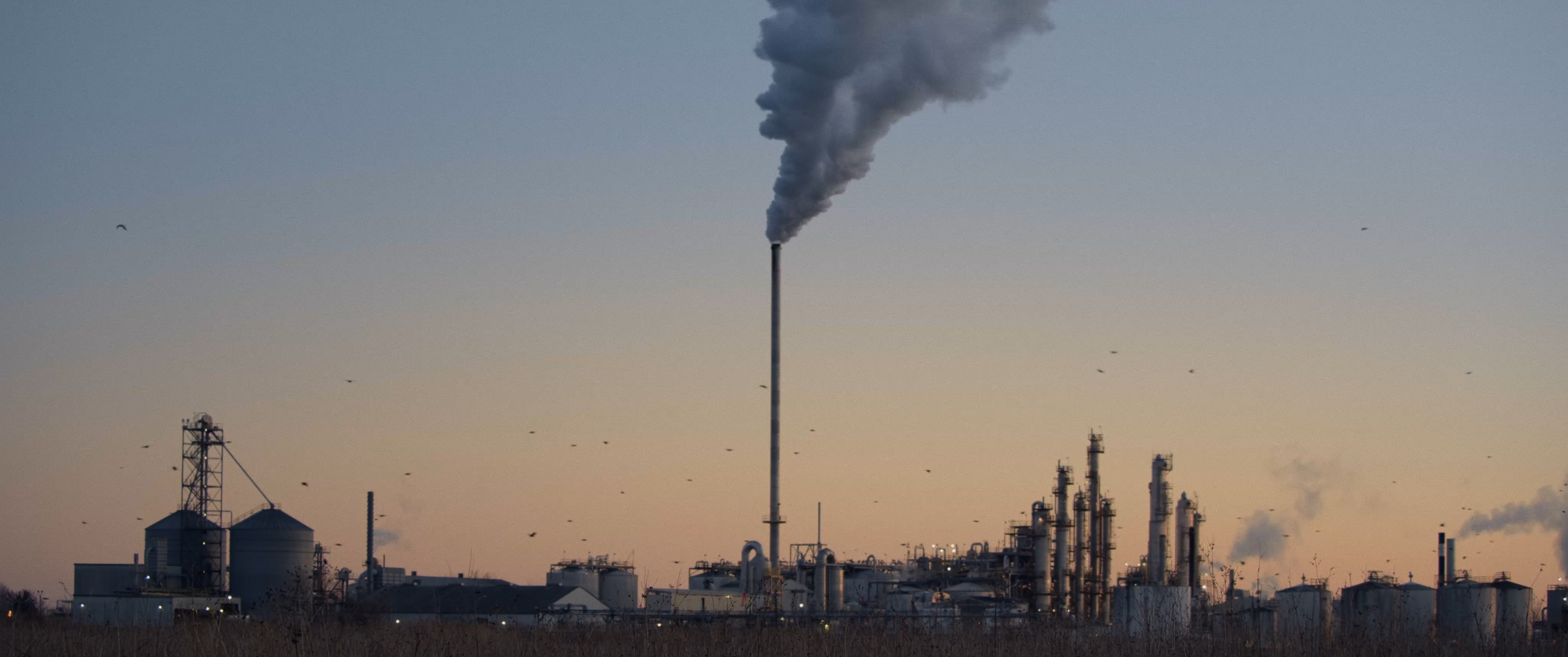
Eine Krähenkolonie vor dem Hintergrund einer Ölraffinerie in Maine, USA. Filmstill aus „KRÄHEN - Nature Is Watching Us“.
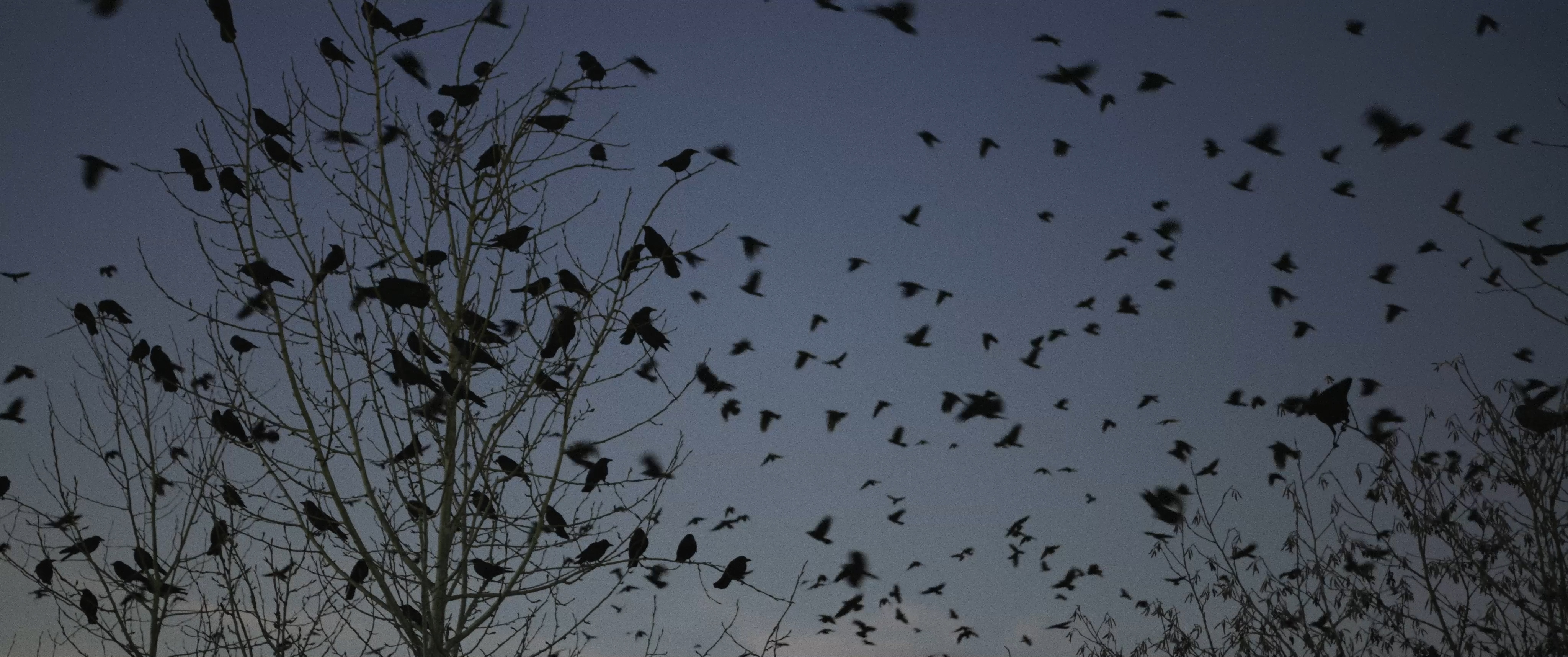
Krähenschwarm. Filmstill aus „KRÄHEN - Nature Is Watching Us“.
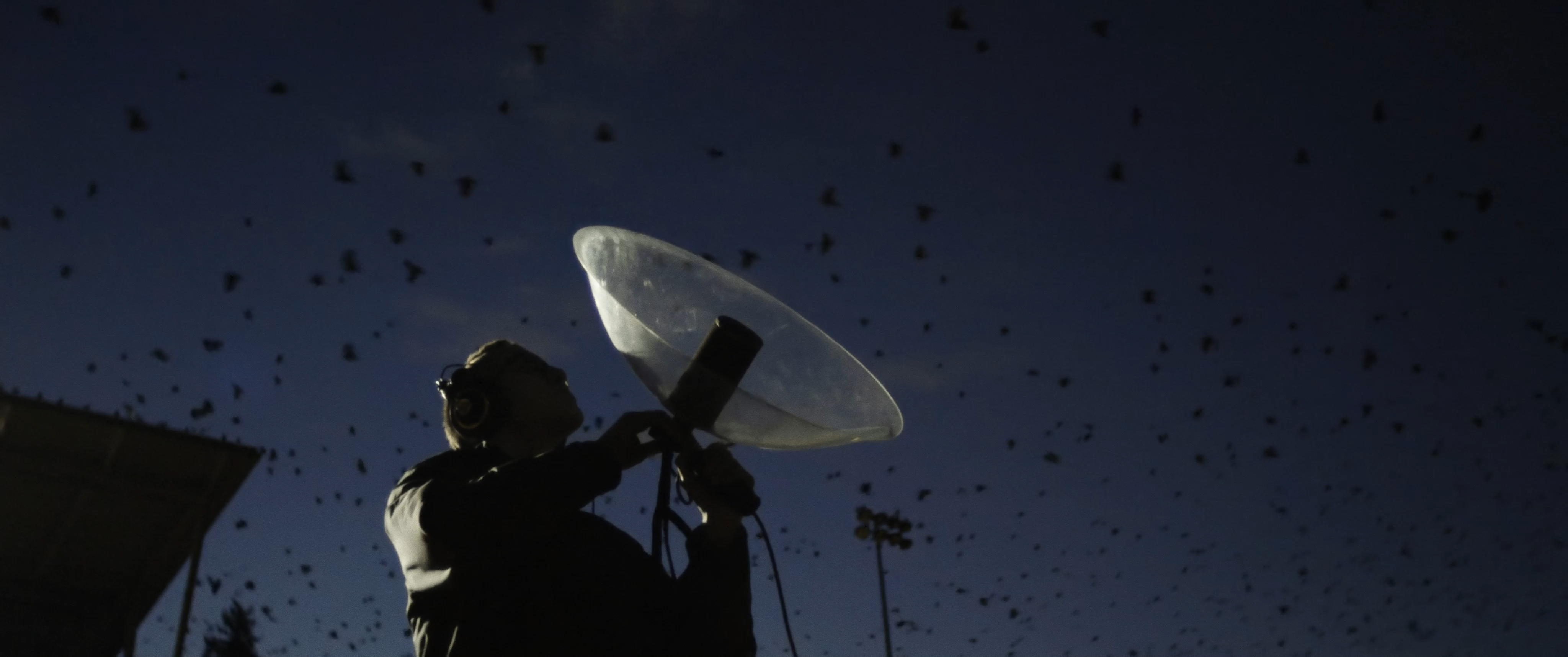
Loma Pendergraft, PhD-Student am am Bothell Campus der University of Washington, USA. Er möchte die Krähen-sprache verstehen. Filmstill aus „KRÄHEN - Nature Is Watching Us“.
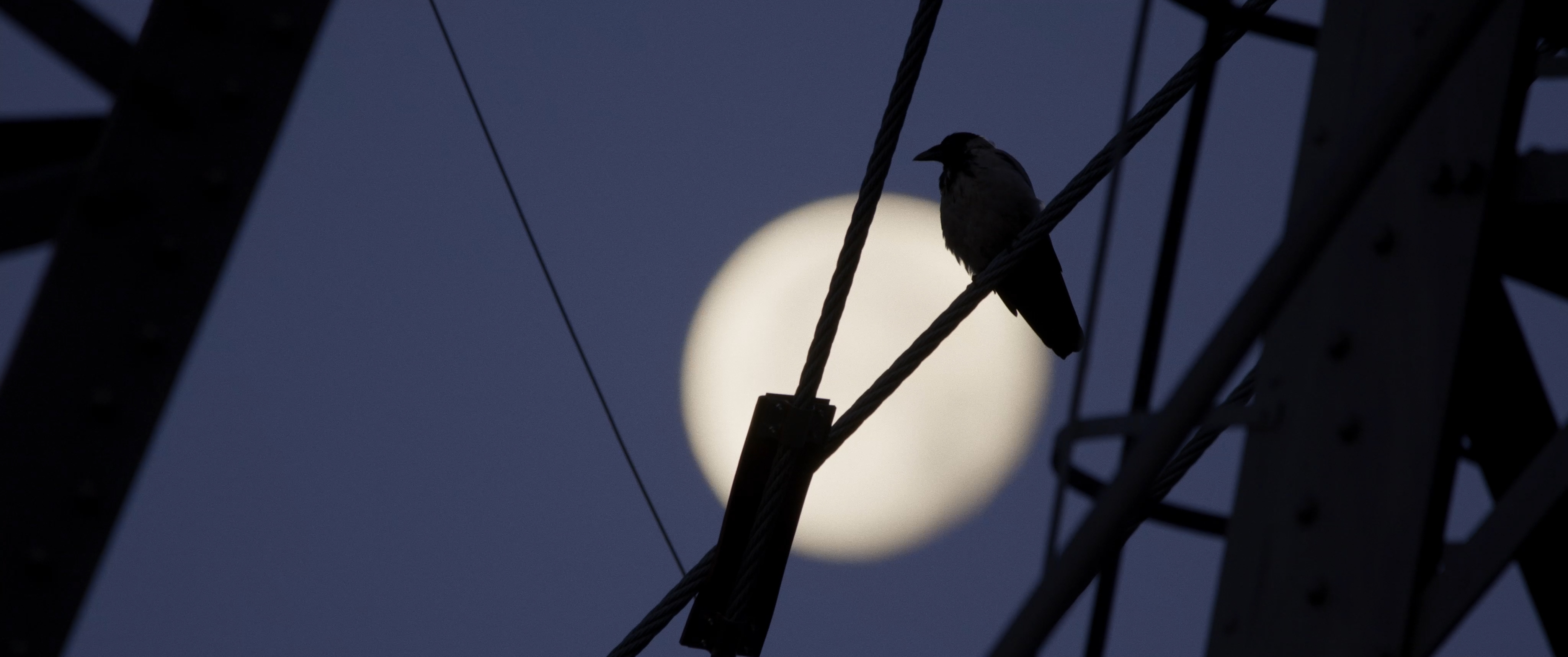
Krähe auf Prater Riesenrad in Wien. Filmstill aus „KRÄHEN - Nature Is Watching Us“.
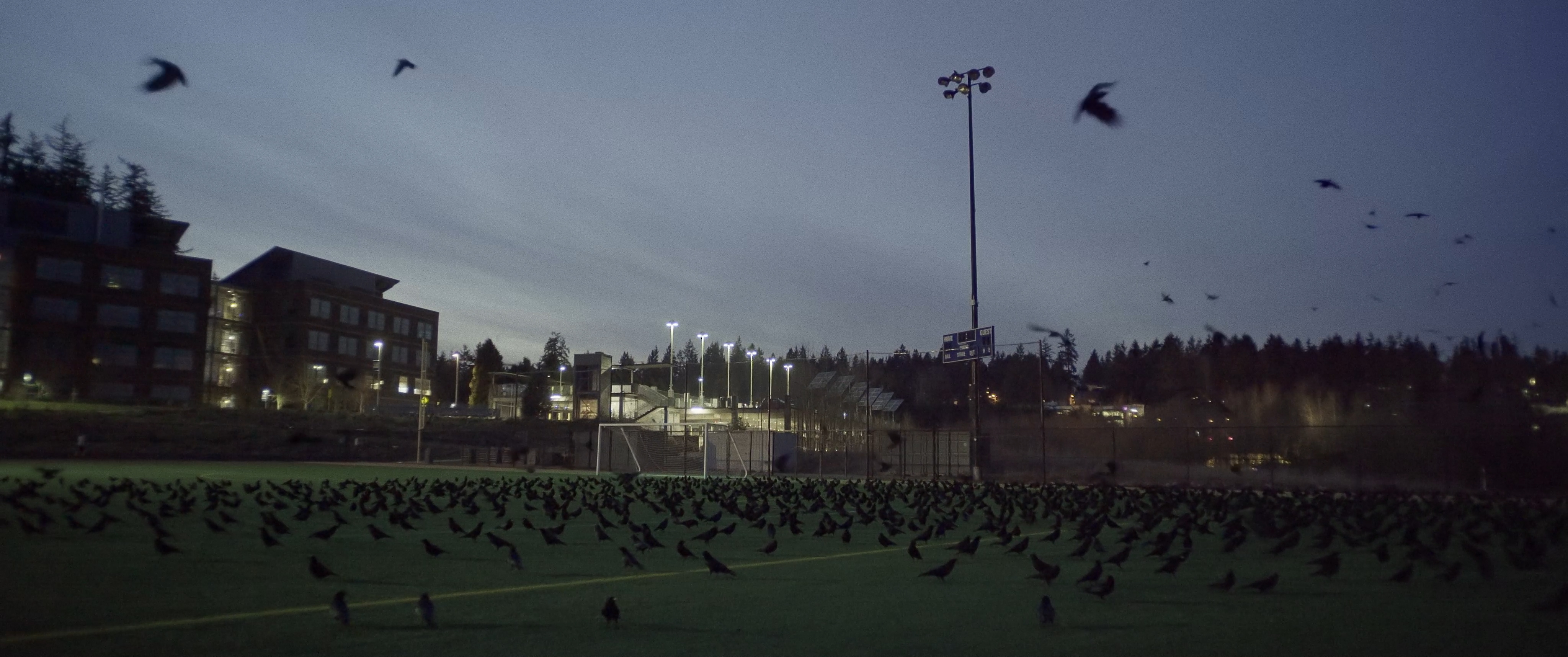
Abendliches Rabentreffen auf dem Fussballfeld. Filmstill aus „KRÄHEN - Nature Is Watching Us“.
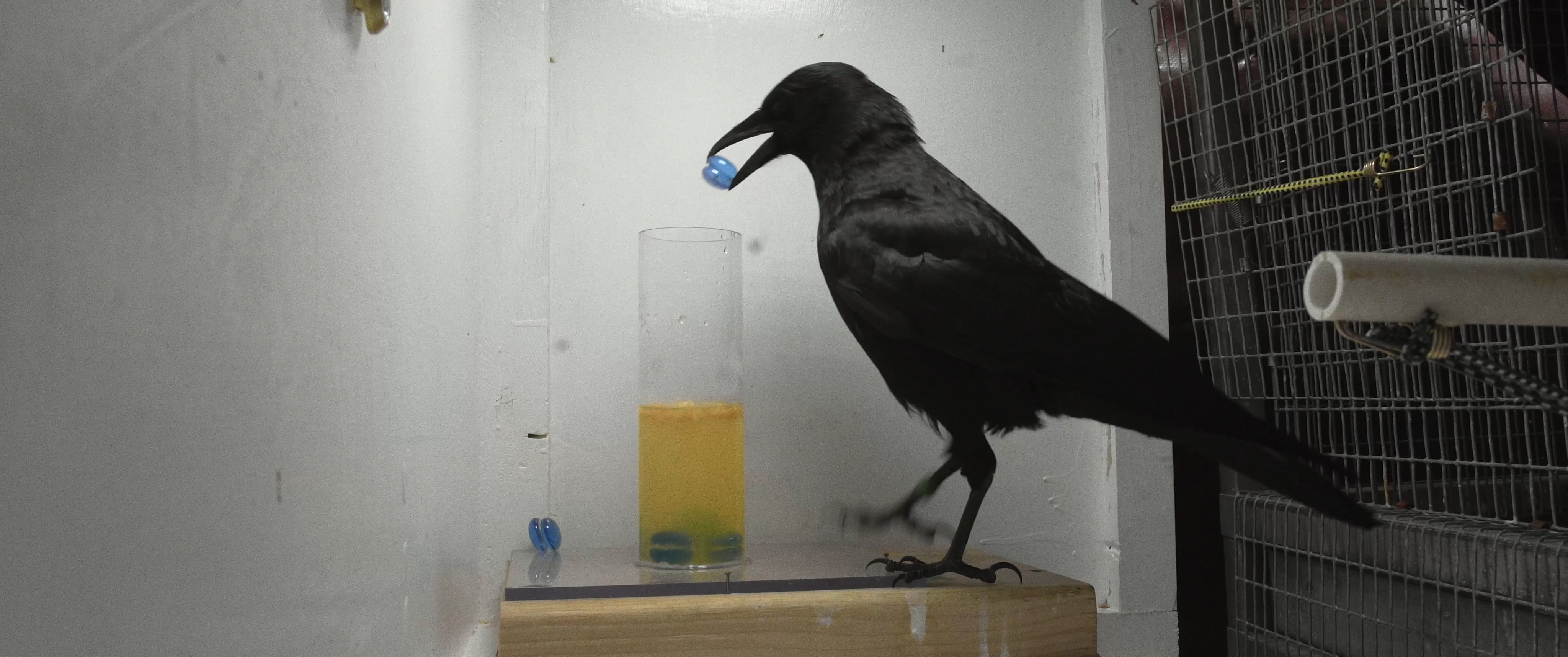
Krähe im Aesop Experiment. Filmstill aus „KRÄHEN - Nature Is Watching Us“.
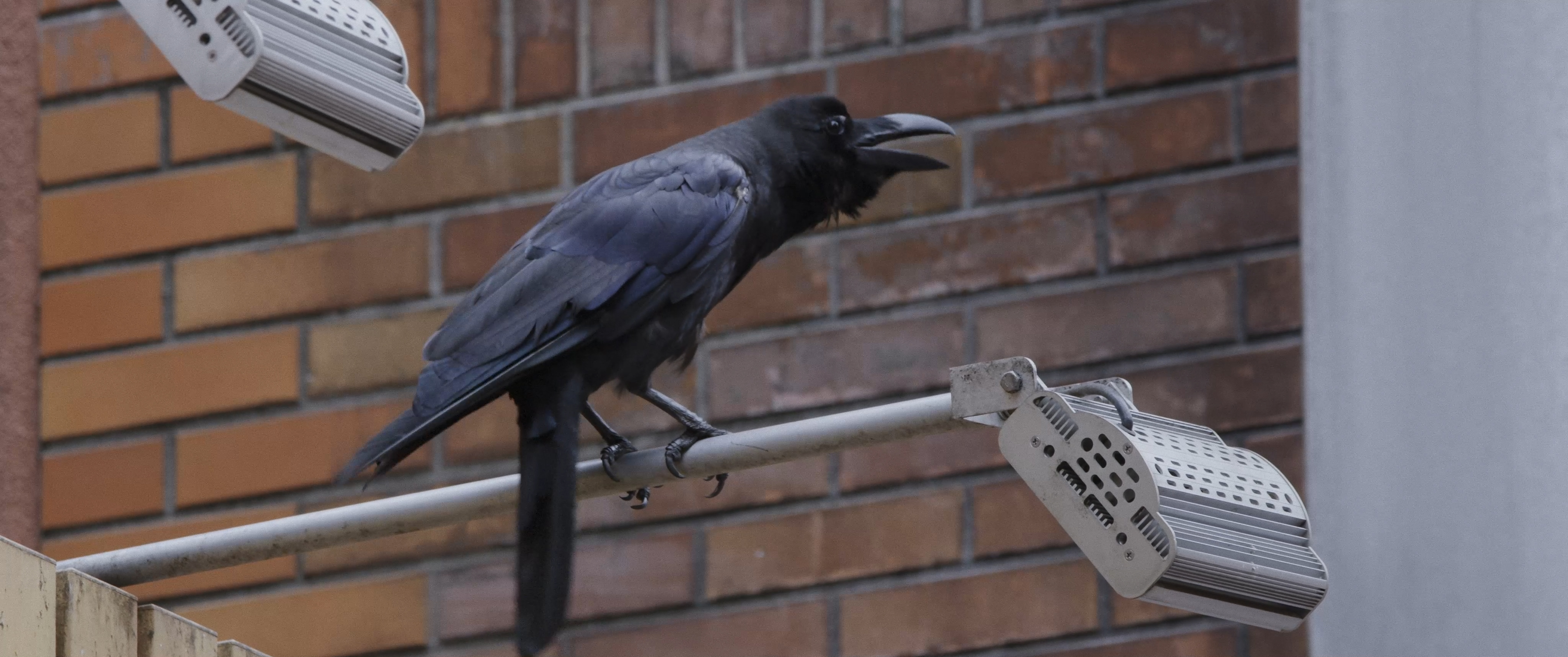
Dschungelkrähe am Schreien in Tokyo. Filmstill aus „KRÄHEN - Nature Is Watching Us“.
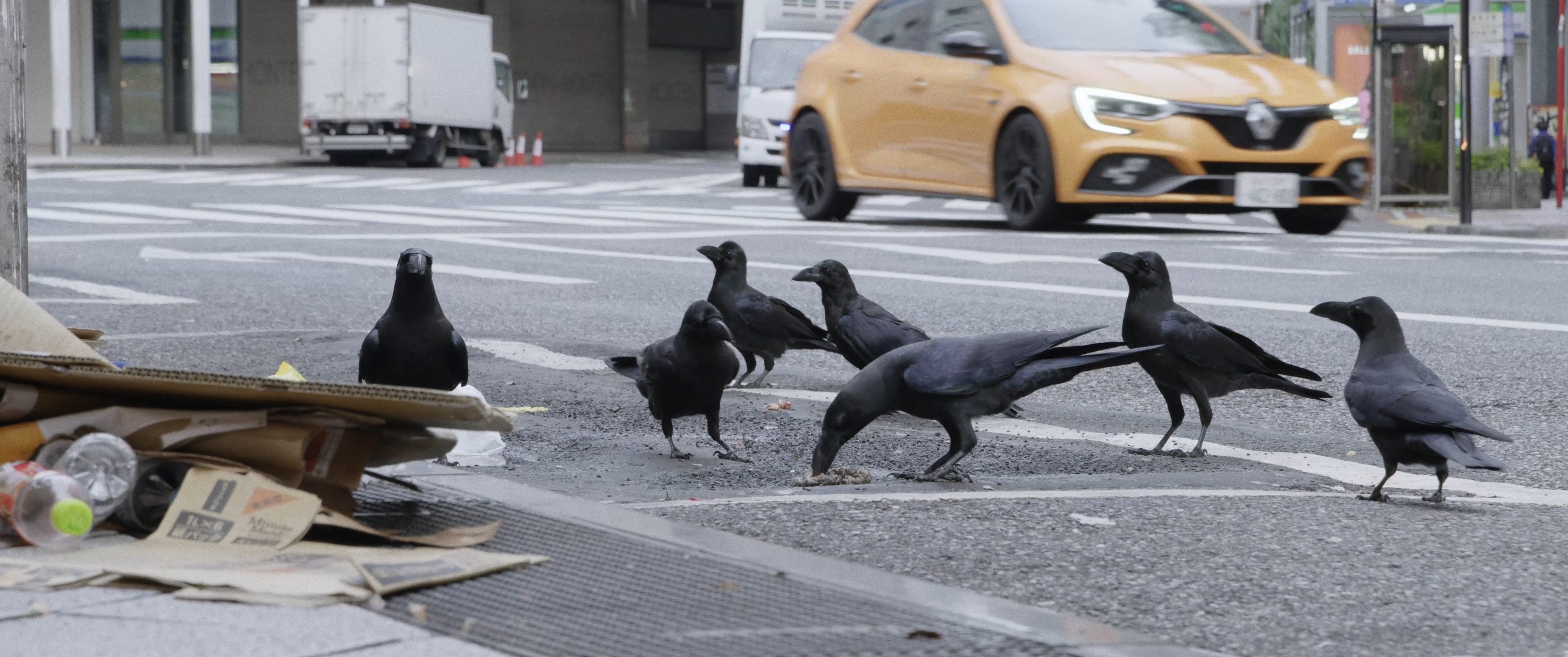
Dschungelkrähen auf den Strassen von Tokyo. Filmstill aus „KRÄHEN - Nature Is Watching Us“.

Demonstration Krähenfalle in Tokyo. Filmstill aus „KRÄHEN - Nature Is Watching Us“.
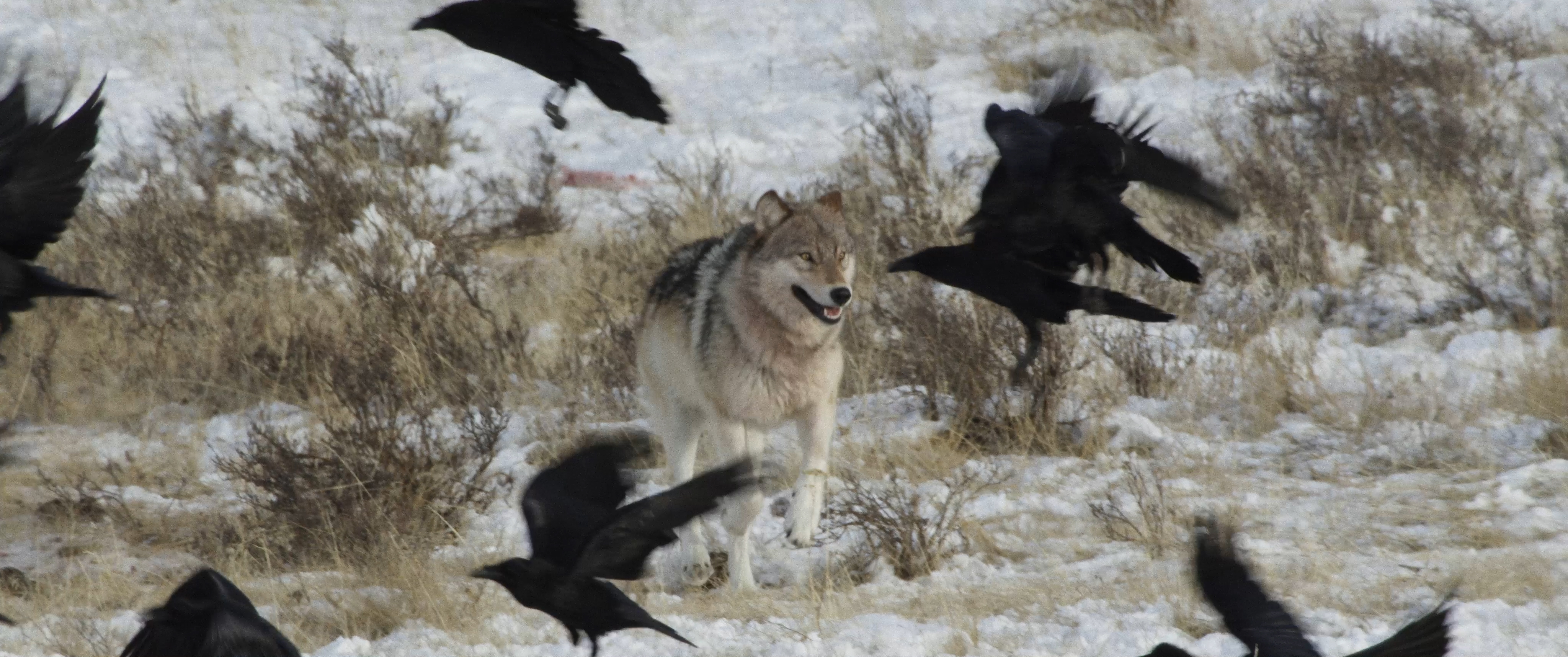
Wolf und Rabe im Yellowstone Nationalpark, USA. Filmstill aus „KRÄHEN - Nature Is Watching Us“.
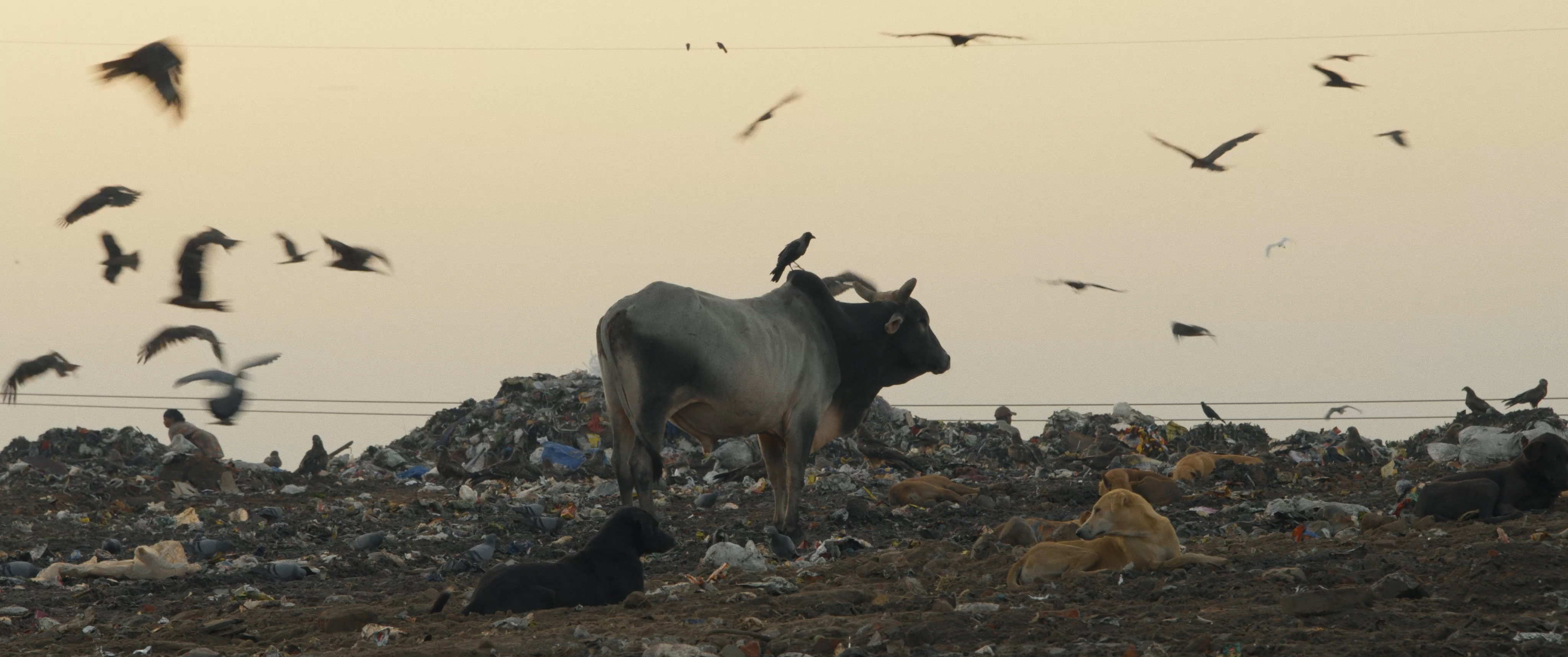
Krähe sitzt auf einer Kuha auf einer Müllhalde in Indien. Filmstill aus „KRÄHEN - Nature Is Watching Us“.
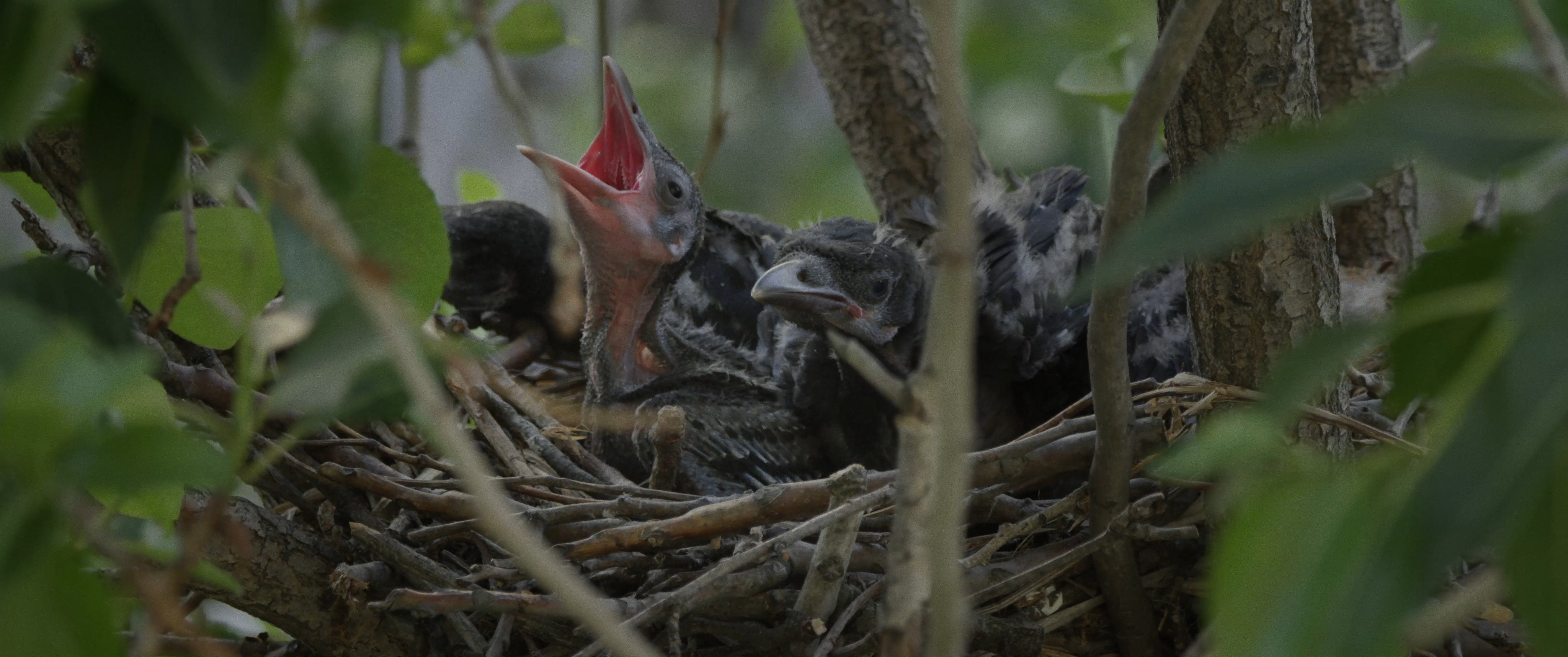
Krähennest. Filmstill aus „KRÄHEN - Nature Is Watching Us“.